 Pin it
 My neighbor's kid once asked me why mac and cheese couldn't just taste like this all the time, and I realized she'd never had it made from scratch. Store-bought boxes had been her whole experience. I decided right then to show her the real thing—how butter and flour could transform into something silky, how cheese could sing when it wasn't hiding behind shelf-stable thickeners. Twenty minutes later, watching her fork through that creamy, golden bowl, I understood why this dish has survived every food trend. It's not fancy. It's just honest.
I made this for a dinner party on a rainy November evening when someone brought a bottle of wine and we all ended up staying hours longer than planned. One guest went back for thirds and just sat there quiet, clearly transported somewhere. Later, she told me her mom used to make something similar, and this was close enough to those childhood memories that it actually hurt a little. That's when I knew the recipe worked—not because it was complicated, but because it tasted like home.
Ingredients
- Elbow macaroni (250 g): Al dente is everything here—cook it about two minutes under the package time so it keeps its slight bite when it mingles with the hot sauce.
- Unsalted butter (2 tbsp): You need unsalted so you're in control of the seasoning; salted butter will make the sauce overly salty fast.
- All-purpose flour (2 tbsp): This creates the roux that thickens everything and gives the sauce its silky body.
- Whole milk, warmed (500 ml): Warming it first prevents lumps from forming when you whisk it into the roux—this one trick saves so much frustration.
- Sharp cheddar cheese, grated (200 g): Sharp aged cheddar has flavor; mild cheddar tastes like it's apologizing for being there.
- Gruyère or mozzarella cheese, grated (50 g, optional): Gruyère adds nutty depth and helps the sauce stay creamy, mozzarella makes it stretchy—either elevates the whole thing.
- Mustard powder (½ tsp): It doesn't make the sauce taste spicy; it amplifies the cheese flavor so it sings instead of whispers.
- Ground black pepper (¼ tsp): Fresh cracked tastes noticeably better than pre-ground.
- Salt (½ tsp): Taste as you go because the cheese and pasta water already bring saltiness.
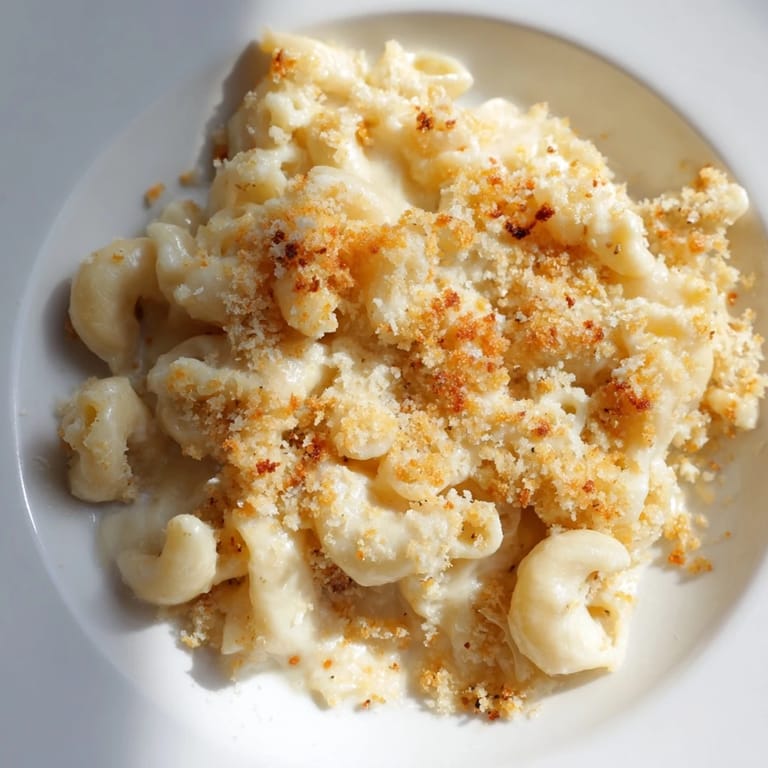
- Breadcrumbs, preferably panko (40 g, for topping): Panko stays crispier longer than regular breadcrumbs and gives you that satisfying crunch on top.
- Melted unsalted butter (1 tbsp, for topping): This binds everything and helps the breadcrumbs brown evenly.
- Grated Parmesan cheese (2 tbsp, optional for topping): Adds sharpness and helps the breadcrumbs turn golden.
Tired of Takeout? 🥡
Get 10 meals you can make faster than delivery arrives. Seriously.
One email. No spam. Unsubscribe anytime.
Instructions
- Heat the oven and boil your water:
- Set the oven to 200°C if you're going the baked route. Get a big pot of salted water going—it should taste like the sea when you dip your finger in.
- Cook the pasta just shy of done:
- Drain it a minute or two before the package says, because it'll keep softening in the hot sauce. You want to feel a gentle resistance when you bite it.
- Make the roux, the foundation of everything:
- Melt butter over medium heat, add flour, and whisk without stopping for a couple of minutes until it looks like wet sand. Let it cook just until it starts smelling nutty—this is your base for a silky sauce.
- Gradually whisk in the warm milk:
- Do this slowly so lumps don't form; rushing this step is usually where things go wrong. Keep whisking until it's completely smooth.
- Let the sauce thicken and get glossy:
- Cook and stir for a few minutes until you see it bubble gently and coat the back of a spoon. This is when you know the starch has done its job.
- Stir in the cheeses and seasonings off heat:
- Remove the pan from heat first—the residual warmth will melt the cheese gently without making it stringy. Add mustard powder, pepper, and salt, tasting as you go.
- Combine pasta and sauce:
- Fold the drained macaroni into the cheese sauce and make sure every piece is coated. If it seems too thick, a splash of warm milk loosens it right up.
- For stovetop, serve it now:
- Dish it up while it's warm and creamy, maybe a sprinkle of extra cheese on top if you're feeling generous.
- For baked version, prep the topping:
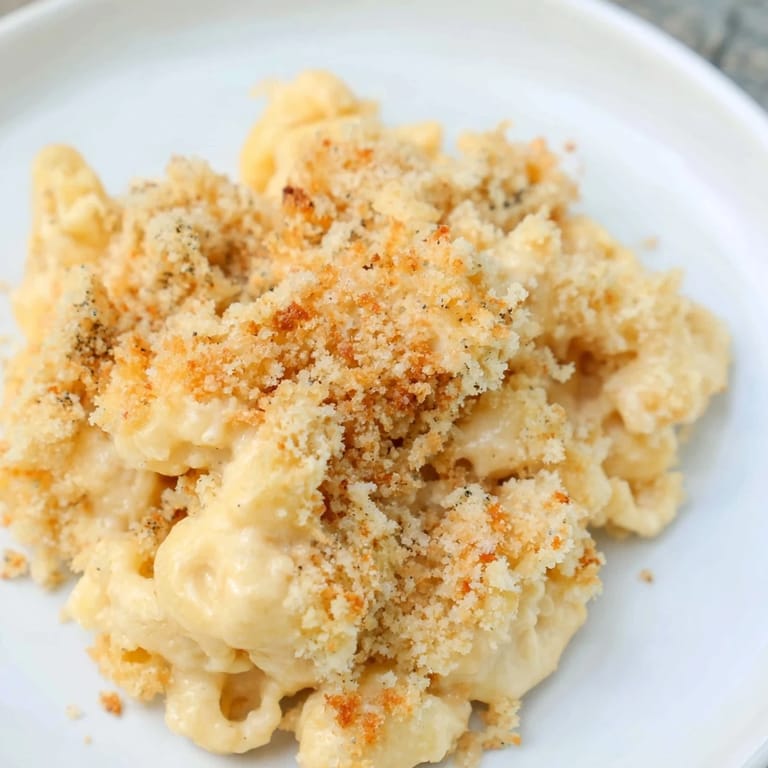
- Mix breadcrumbs with melted butter and Parmesan in a small bowl until it looks like wet sand. This mixture is what turns golden and crispy.
- Transfer to baking dish and top:
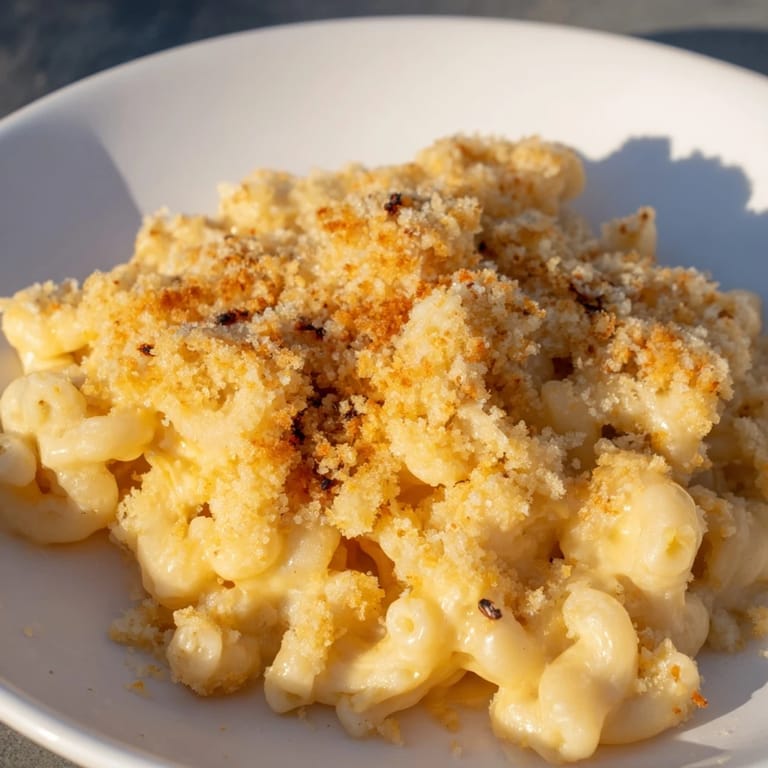
- Spread the mac and cheese into a greased dish, scatter the breadcrumb mixture over the top, and bake for 15 to 20 minutes until the top is deep golden and the edges bubble slightly.
- Cool briefly before serving:
- Let it sit for 5 minutes so the sauce sets just enough to stay on your fork but stays creamy inside.
 Pin it
 I remember the exact moment I stopped treating mac and cheese like something to rush through and started treating it like the main event. It was on a Tuesday night when nothing special was happening, just me and someone I cared about, and we sat at the kitchen table with bowls of this, and somehow that simple moment became the whole point. Food does that sometimes—it's not just dinner, it's the excuse to sit still together.
Stovetop Versus Baked
The stovetop version is faster and creamier because the sauce stays looser and never gets a chance to dry out. The baked version develops that crispy, golden top that people crave for texture contrast, and it's more forgiving if you're feeding a crowd and need the dish to hold its shape. Both are right; it just depends on whether you want creamy-and-done-in-twenty-minutes or crispy-and-impressive-looking. I usually go stovetop on weeknights and baked when people are coming over.
Flavor Variations That Actually Work
The beauty of a proper cheese sauce is that it's a blank canvas once you get the technique right. I've added crispy bacon and caramelized onions on different nights—the bacon is a crowd-pleaser, the onions add sweetness that deepens the cheese. A pinch of cayenne or hot sauce brings heat without dominating. Sometimes I swap half the milk for heavy cream when I want it richer, or add fresh thyme because I happened to have it growing on my windowsill. The mustard powder is the secret that makes the cheese sing, but if you want to experiment beyond that, you have the foundation to play around.
The Sauce Secret Nobody Talks About
The roux—that butter and flour mixture—isn't just thickening the milk; it's creating a stable emulsion that keeps the cheese from separating and turning greasy. I learned this the hard way after making mac and cheese with sauce that broke and got all oily and sad. Once I understood the chemistry, I stopped fighting it and started trusting the process. The roux has to cook long enough to taste nutty and flour-forward, and the milk has to go in gradually while whisking. These two things working together are what transforms ordinary ingredients into something that tastes creamy and luxurious.
- Never skip the roux—it's the difference between restaurant-quality sauce and separated, broken results.
- Warm milk prevents lumps and saves you from having to strain the sauce.
- Add the cheese off the heat so the sauce stays silky and smooth, not grainy.
 Pin it
 This recipe has become the one I make when I want to say thank you without words, or when someone just needs comfort on a plate. It never disappoints, and it always tastes like someone cared enough to make it right.
Recipe FAQs
- → How do I achieve the perfect cheese sauce consistency?
Whisk the butter and flour roux until smooth, then gradually add warm milk while stirring continuously. Cook until the sauce thickens but avoid browning the roux for a silky texture.
- → Can I use other cheeses besides cheddar and Gruyère?
Yes, mozzarella or Parmesan can be added for creaminess and flavor depth. Adjust quantities to balance sharpness and meltability.
- → What is the best method to ensure the macaroni remains tender?
Cook the elbow macaroni just until al dente, slightly under the package's suggested time, to prevent it from becoming mushy once combined with sauce.
- → How do I get a crispy golden topping when baking?
Combine panko breadcrumbs with melted butter and Parmesan cheese, then sprinkle evenly over the pasta. Bake at 200°C (400°F) until the topping is golden and crisp.
- → Are there any suggested variations to enhance flavor?
Consider adding cooked bacon, caramelized onions, or a pinch of cayenne pepper to add smoky, sweet, or spicy notes to the dish.