 Pin it
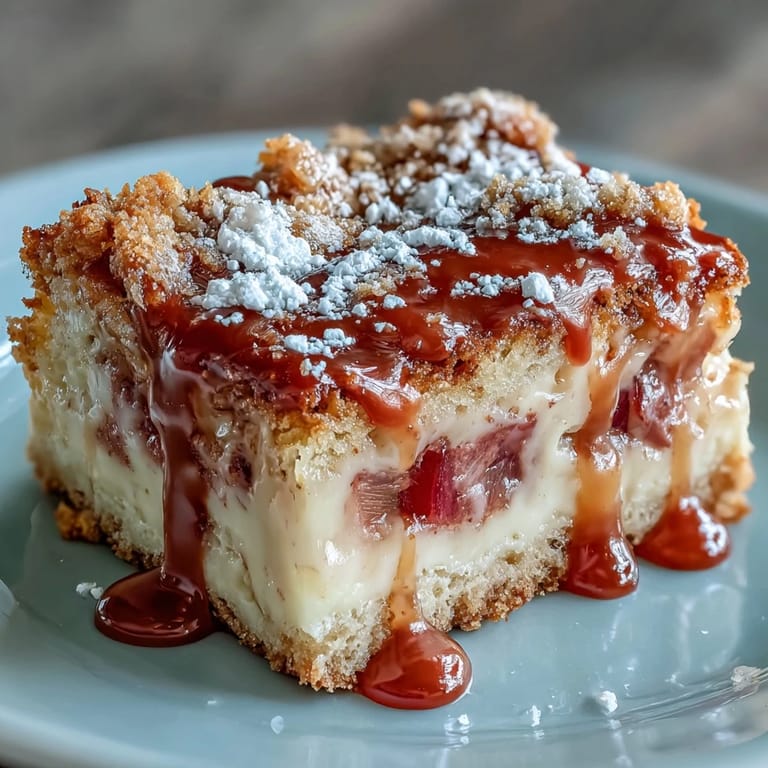
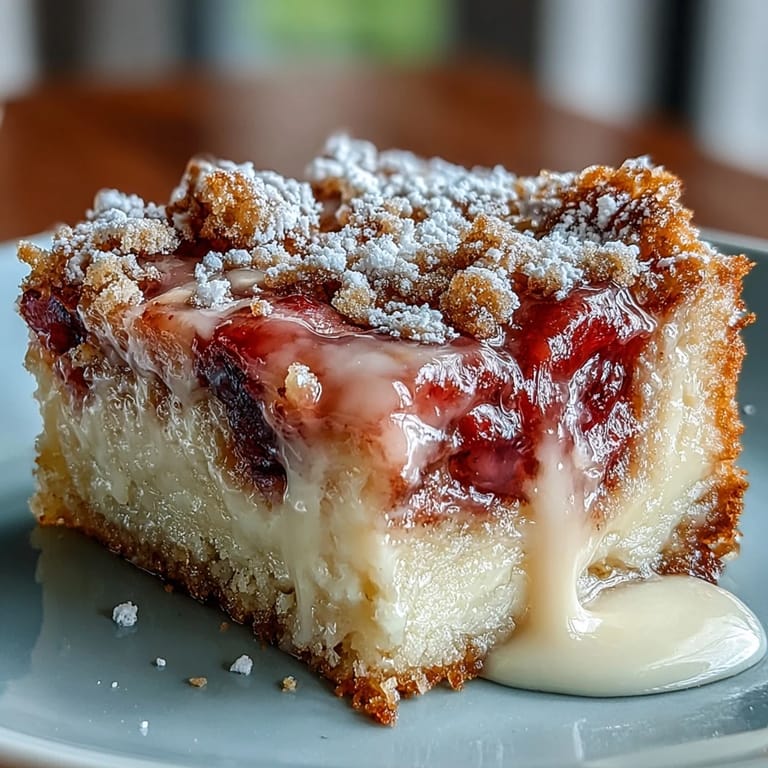
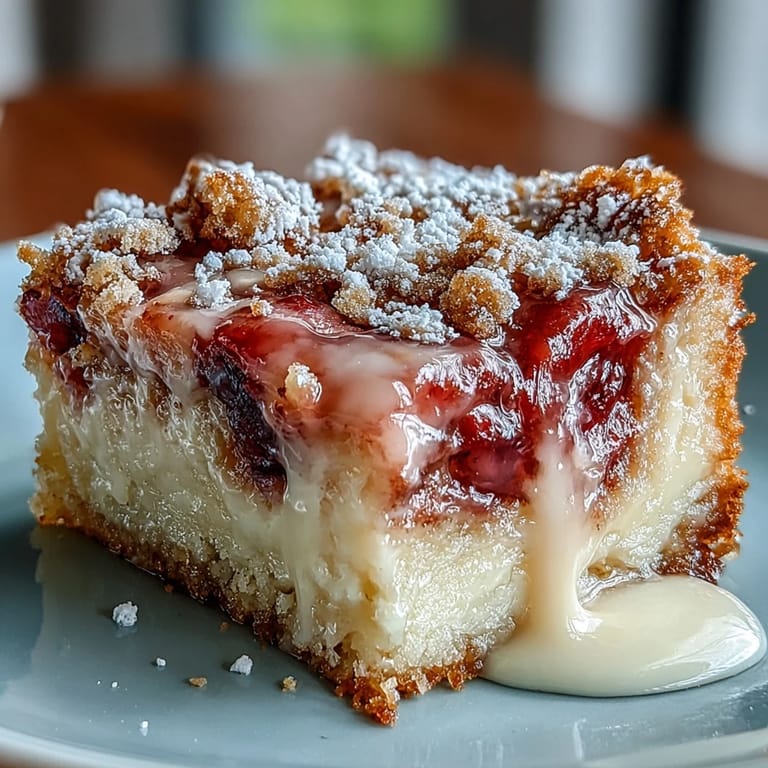
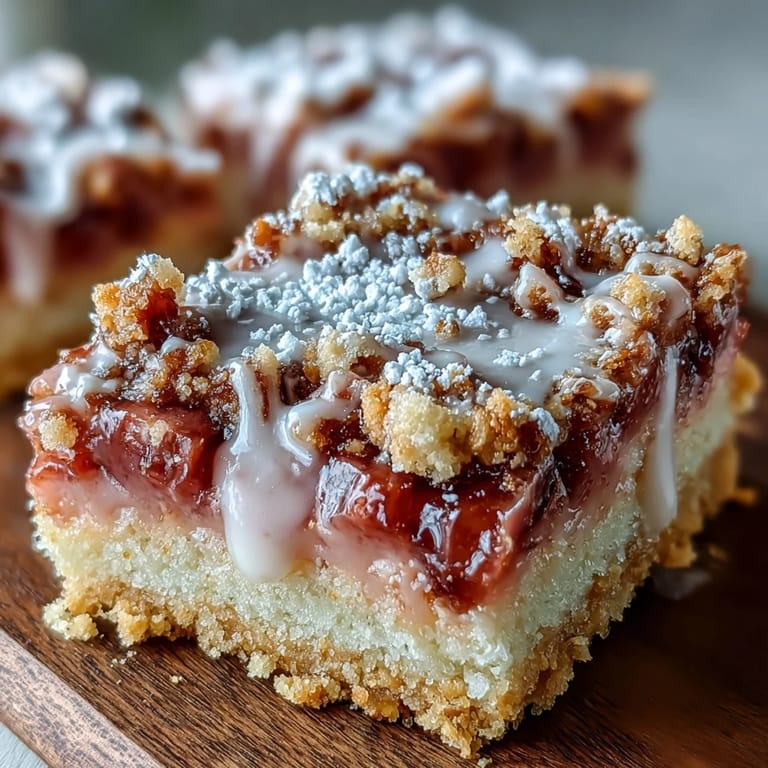
 As soon as rhubarb starts popping up at the farmers market, the kitchen seems to hum with possibility. One unexpected rainy afternoon I found myself drawn to the cheery stalks, their pinks and greens brightening the countertop, and decided to try my hand at these Rhubarb Custard Bars. The blend of a buttery shortbread, tangy fruit, and silky custard had always sounded like a triumphant spring bake—bravely more tart than sweet, but comfortingly nostalgic with every bite. Even the scent as they bake is equal parts cozy and intriguing, inviting curious glances and questions about what’s in the oven. It’s a dessert that never fails to win over skeptics and rhubarb-lovers alike.
I still laugh remembering when my cousin, a notorious dessert traditionalist, claimed she didn’t care for rhubarb—until these bars proved her wrong. We ate them at the picnic table as thunder rolled in the distance, laughing at how quickly we polished off the whole pan. Sometimes even a little uncertainty in the crowd makes the praise taste sweeter.
Ingredients
- Unsalted butter: Using softened, unsalted butter ensures a melt-in-your-mouth crust and lets you control the salt perfectly.
- Granulated sugar: Sugar sweetens the dough and balances rhubarb’s natural tartness—creaming it well with the butter is key for a tender crust.
- All-purpose flour: Measuring the flour carefully keeps the crust crisp instead of cakey; I always fluff, spoon, and level.
- Salt: Just a pinch sharpens up all the flavors in the crust and custard.
- Fresh rhubarb: Choose stalks that are firm and vibrantly colored; chopping them evenly means each bite gets just enough tang.
- Eggs: Room temperature eggs create a smoother, silkier custard layer—I let mine sit out while I measure the other ingredients.
- Heavy cream: Cream makes the filling luscious and rich; don’t swap for milk or it will be too thin.
- Pure vanilla extract: A splash rounds out the custard and bumps up the bakery aroma.
- Powdered sugar for dusting: This isn’t mandatory but adds a whimsical finish and cuts the tartness just a touch.
Tired of Takeout? 🥡
Get 10 meals you can make faster than delivery arrives. Seriously.
One email. No spam. Unsubscribe anytime.
Instructions
- Prepare the Pan:
- Line your baking pan with parchment, letting the edges hang over for fuss-free removal—trust me, it saves headaches later.
- Make the Shortbread:
- Cream together softened butter and sugar until fluffy and pale before mixing in your dry ingredients; pressing the soft dough into the pan is oddly satisfying.
- Blind Bake the Crust:
- Slide the pan into the oven until the edges just barely turn golden; you want structure but not too much color yet.
- Sugar the Rhubarb:
- While the crust bakes, toss the rhubarb with sugar and watch as it draws out juice and softens—this prevents sogginess later.
- Whisk the Custard Filling:
- Whip eggs and sugar until blended, then gently add flour, cream, vanilla, and a pinch of salt, whisking until it’s silky and lump-free.
- Layer & Assemble:
- Spread the sugared rhubarb over the hot crust, pour custard carefully on top, and give the pan a gentle tap to even it out—don’t stress, the layers sort themselves out in the oven.
- Bake:
- Back in the oven it goes until the custard is softly set and the kitchen smells delightfully buttery-tart; patience pays off here.
- Cool & Finish:
- Wait until completely cool before dusting with powdered sugar and slicing into neat bars—the hardest part is waiting, but it’s worth it.
 Pin it
  Pin it
 My favorite memory is bringing a tray of these bars to a spring potluck, where a friend confided it reminded her of her grandmother’s kitchen. Moments like that make you realize how food travels farther than we think—sometimes, right into someone’s happiest places.
How to Personalize Your Bars
When the mood strikes, I swap half the rhubarb for berries or toss in a sprinkle of orange zest for brightness—these little changes keep each batch interesting without losing the heart of the recipe.
Serving Ideas and Keeping Bars Fresh
I’ve found they’re delightful straight from the fridge on a warm day or served at room temperature after dinner—either way, airtight storage keeps them tasting fresh for a couple days, assuming they last that long.
Troubleshooting Common Challenges
On more than one occasion, I’ve accidentally overbaked and found the custard turns rubbery, so keep an eye on it near the end. The bars hold their shape best when fully cooled and even better after a short chill in the fridge.
- Cool completely before slicing to avoid a mess.
- Don’t be afraid to experiment with fruit combinations.
- When in doubt, a dusting of powdered sugar covers minor cracks beautifully.
 Pin it
  Pin it
 There’s something so cheering about sharing a plate of rhubarb custard bars with friends—the tart-sweet magic always sparks conversation. Hope these bring a little brightness to your table, too.
Recipe FAQs
- → How do I know the custard is set?
The custard should be mostly firm with a slight wobble in the center; it will continue to firm as it cools. A toothpick inserted near the center should come out with minimal wet custard clinging.
- → Can I use frozen rhubarb?
Yes—thaw and drain excess liquid first, then toss with sugar. Pressing extra moisture out helps prevent a soggy crust and keeps the custard from becoming too loose.
- → How can I get a crumbly, tender shortbread crust?
Use cold butter that is softened but not melted and avoid overworking the dough. Press evenly into the pan and blind-bake until the edges are just turning golden for a sturdy yet tender base.
- → What substitutions work well for the fruit layer?
Half rhubarb swapped with strawberries brightens sweetness and softens tartness. Apples or tart cherries can also complement the creamy custard if prepared to similar chop size.
- → How should leftovers be stored and how long do they keep?
Cover and refrigerate leftover bars for up to 4 days. For firmer slices, chill before serving. Bring to room temperature briefly if you prefer a softer custard texture.
- → Can I add texture to the crust?
Yes—stir 1/2 cup chopped nuts into the shortbread dough before pressing for extra crunch, or sprinkle coarse sugar on the crust before baking for a crisp top.