 Pin it
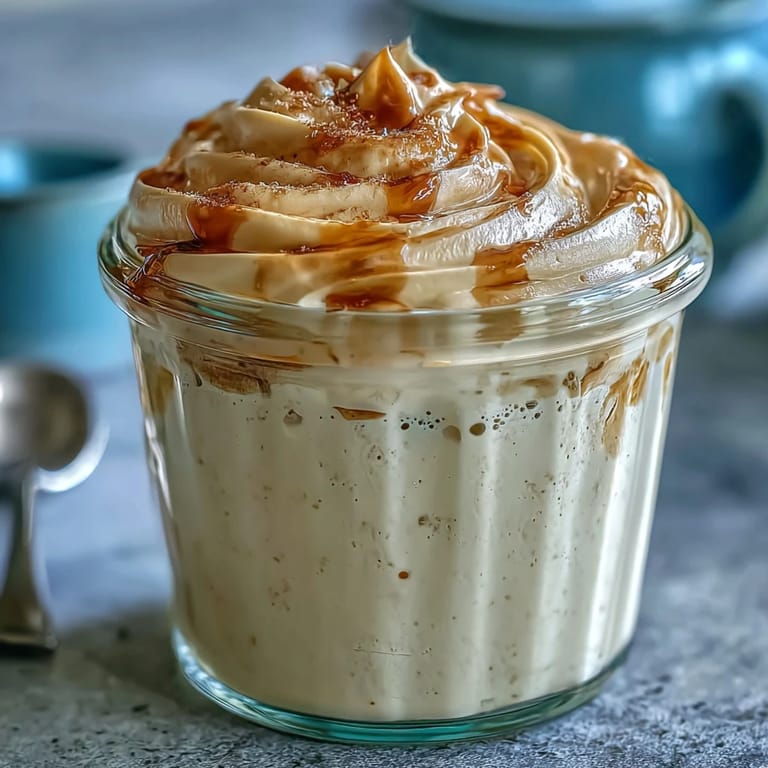
 The first time I whipped up mayonnaise using an immersion blender, I was genuinely surprised by how quickly the kitchen filled with the scent of fresh eggs and tangy mustard. The whirring sound made me laugh—so much power in one little gadget. I had only meant to make a quick condiment for lunch, but ended up mesmerized by the transformation. Creamy mayo in under five minutes felt almost magical. Now, this method is my go-to for big sandwich spreads and tiny weeknight dips alike.
I once made a batch just before friends arrived for summer sandwiches, and we all marveled at how simple ingredients turned into something so rich and creamy in a flash. Nobody believed I hadn’t bought it—and my confidence soared when I saw every jar of store-bought mayo left untouched on the table.
Ingredients
- 1 large egg (room temperature): Starting with room temperature eggs makes blending easier, and I always let it sit out for ten minutes while prepping.
- 1 tablespoon Dijon mustard: Dijon mustard gives the mayo a gentle heat and helps it emulsify.
- 1 tablespoon white wine vinegar or lemon juice: I alternate between lemon juice for brightness or white wine vinegar for depth—pick your favorite.
- 1 cup (240 ml) neutral oil: Sunflower, canola, or light olive oil each create a different base flavor; using neutral oil highlights the creamy texture.
- 1/2 teaspoon fine sea salt: Fine salt melts in quickly, ensuring flavor is distributed evenly.
- 1/4 teaspoon freshly ground black pepper (optional): A pinch of pepper brings subtle complexity, especially if you're feeling fancy.
Tired of Takeout? 🥡
Get 10 meals you can make faster than delivery arrives. Seriously.
One email. No spam. Unsubscribe anytime.
Instructions
- Gather & arrange your ingredients:
- Set out all ingredients and your immersion blender to make sure you don’t forget anything—there’s no turning back once you start blending.
- Layer everything in the container:
- Add the egg, Dijon mustard, vinegar or lemon juice, salt, and pepper (if using) into a tall, narrow blending vessel; get ready for action.
- Pour in the oil:
- Carefully pour the oil on top so it sits above the other ingredients—this helps the mayo emulsify quickly and evenly.
- Start blending:
- Sink the immersion blender to the bottom, then turn it on and watch as the mixture turns creamy and pale after about 10 seconds.
- Move the blender up & down:
- Once you see mayo forming at the bottom, slowly move the blender up and down to finish incorporating the oil; blend until thick and fully smooth, about 30 seconds.
- Season and taste:
- Dip a spoon in, taste, and adjust salt or lemon juice if needed—don’t hesitate to tweak it to your preferences.
- Store safely:
- Transfer the finished mayo to a clean jar, seal tightly, and chill; use within one week for best freshness.
 Pin it
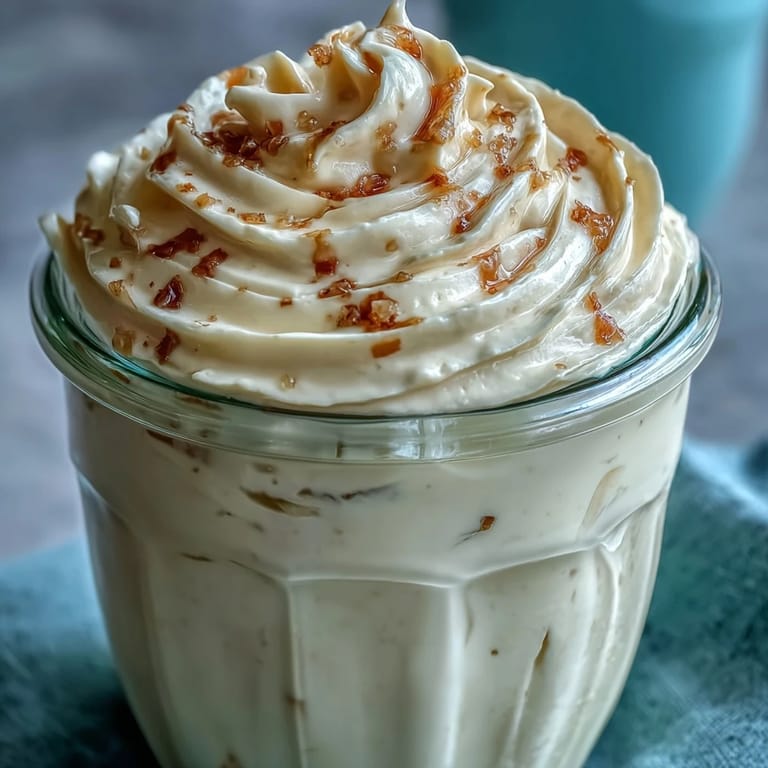
 When my uncle tasted homemade mayo for the first time at a family picnic, his eyes lit up with delight and he asked for the recipe. It felt like sharing a little kitchen secret that brought everyone closer together.
How To Tweak The Flavor Without Ruining Texture
Sometimes I add a bit more lemon juice or a small garlic clove when in the mood for something zesty, but I learned to go slow—too much liquid and the mayo loses its characteristic creaminess.
Making Mayo For Meal Prep Or Parties
If you are scaling up for a crowd, divide your batches so you don’t overload the blender. It keeps the texture consistent and prevents splatters—a lesson that saved my shirt more than once.
Troubleshooting & Quick Fixes
On the rare occasion the mayo doesn’t emulsify, don’t panic—adding a fresh egg or a teaspoon of mustard can bring it back to life with another blend.
- Warm up the egg in a cup of hot (not boiling) water if you forgot to let it sit out.
- If the mixture breaks, blend in a tablespoon of water to repair it.
- Always use a clean jar so the mayo stays fresh longer.
 Pin it
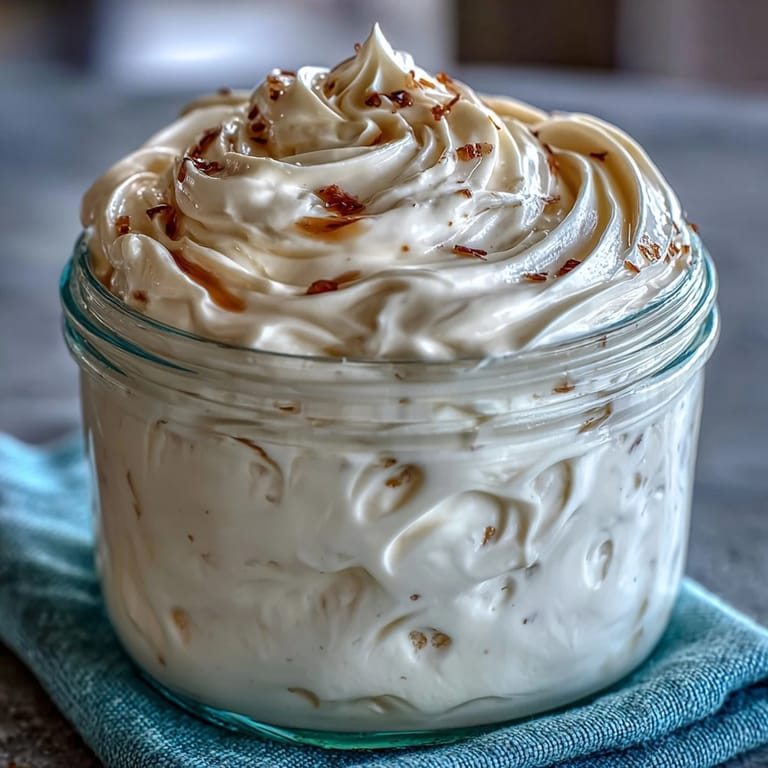
 Mayonnaise made by hand always tastes better—and it takes so little time you’ll want to skip store-bought forever. The creamy texture is all reward for those few minutes spent blending.
Recipe FAQs
- → Can I use olive oil instead of neutral oil?
Yes, olive oil can be used, but it imparts a stronger, distinctive flavor to the mayonnaise.
- → Is it safe to use raw eggs?
Use pasteurized eggs if concerned about food safety, as mayonnaise traditionally includes raw egg.
- → How can I make the mayonnaise tangier?
Add extra vinegar or lemon juice to increase tanginess and personalize flavor to taste.
- → Can I add garlic for extra flavor?
Blend in a small garlic clove to create a garlicky aioli variation for dips or spreads.
- → How long does homemade mayonnaise last?
Store in a sealed jar and refrigerate; use within one week for best freshness and safety.
- → What tools are needed for making mayonnaise?
You'll need an immersion blender, a tall blending container, measuring spoons, and a jar with a lid for storage.