 Pin it
 There's something about the smell of cinnamon and nutmeg hitting your kitchen in early fall that just signals time to make pie. I found myself standing in the grocery store one October afternoon, staring at a can of pumpkin purée, suddenly remembering how my neighbor had raved about her homemade version the year before. It seemed intimidating until I actually started making it, and realized that pumpkin pie is less about technique and more about trusting a handful of warm spices to do the heavy lifting. That first slice, with its silky custard and buttery crust, completely changed how I thought about autumn desserts.
I made this for a small dinner party on a crisp November evening, and watching people's faces when they tasted it was worth every moment in the kitchen. One friend asked if I'd bought it from a bakery, which felt like the highest compliment possible. That's when I realized this recipe wasn't just about tradition—it was my own reliable way to show up for people I cared about.
Ingredients
- Unbaked 9-inch pie crust: Whether you use store-bought or homemade, the key is starting with something cold—this helps it stay flaky during baking and keeps the filling from seeping into the pastry.
- Canned pumpkin purée (not pie filling): This distinction matters more than you'd think; pie filling already contains sugar and spices, and using it throws off your whole flavor balance.
- Light brown sugar: The molasses gives the filling an earthy depth that white sugar just doesn't achieve.
- Eggs: These act as the binder that transforms everything into a custard rather than pumpkin soup.
- Evaporated milk: This concentrated milk is essential because it adds richness without making the filling too wet—regular milk would leave you with a soggy pie.
- Heavy cream: The extra fat here creates that silky mouthfeel that makes people close their eyes on the first bite.
- Cinnamon, ginger, nutmeg, and cloves: These aren't just decorative; together they create that warm complexity that makes autumn taste like comfort.
- Salt: A small amount amplifies all the spices and prevents the filling from tasting one-dimensional.
- Vanilla extract: This brings everything into focus and rounds out the rough edges of the spices.
Tired of Takeout? 🥡
Get 10 meals you can make faster than delivery arrives. Seriously.
One email. No spam. Unsubscribe anytime.
Instructions
- Get your crust ready:
- Preheat your oven to 220°C (425°F) and position the rack to the lower third—this helps the crust bake through without the top getting too dark. Fit your pie crust into the dish, crimp those edges however they look good to you, and slide it into the fridge while you work on the filling.
- Mix the custard:
- Whisk together the pumpkin, brown sugar, eggs, evaporated milk, heavy cream, spices, salt, and vanilla until you have something completely smooth with no lumps hiding in the corners. This is the moment you can taste a tiny bit and adjust the spice level if your kitchen runs warm or cold.
- Fill and bake hot:
- Pour that silky filling into your cold crust and slide it into the oven. Bake at the high temperature for 15 minutes to set the crust and get the filling started, then drop the heat to 175°C (350°F).
- Finish gently:
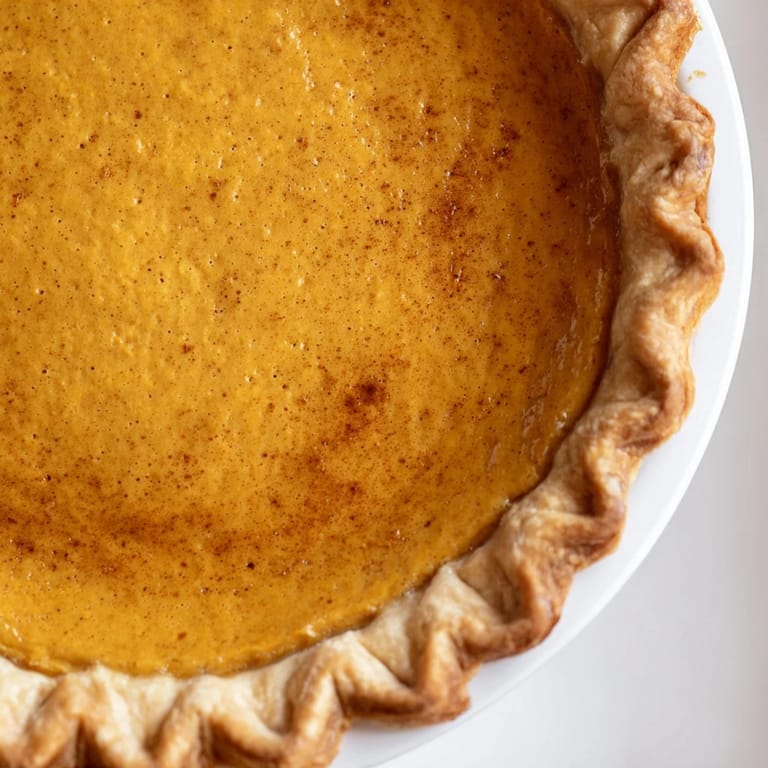
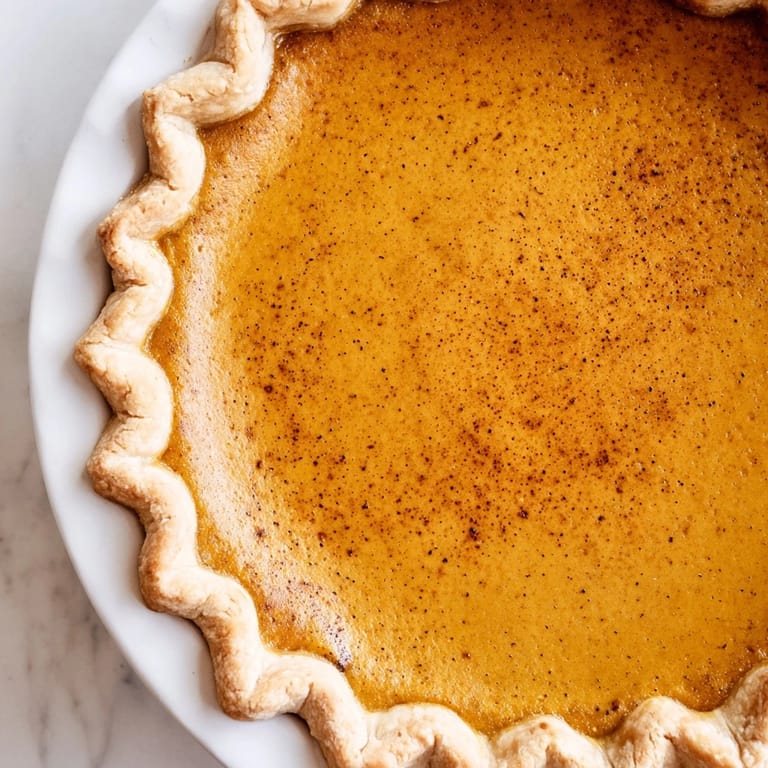
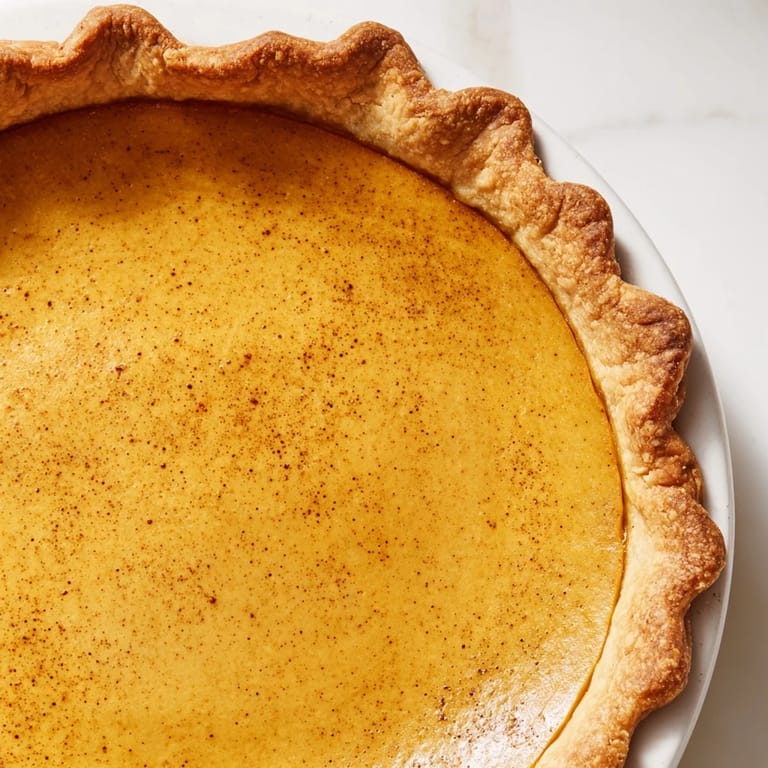
- Continue baking for about 40 minutes until the center has just a slight jiggle when you gently shake the pan—this means the residual heat will finish cooking it as it cools, giving you that perfect custard texture instead of something dense and rubbery.
- Cool with patience:
- Let it cool completely on a rack for at least two hours before you even think about slicing; warm pie is heartbreaking because the filling is still soft.
 Pin it
 The moment that stands out most is when my daughter asked if she could help me make it the next year. We stood together peeling back the foil on that can of pumpkin, and she declared it smelled like "October in a can." That's when I understood that recipes like this aren't really about nailing the technique—they're about creating moments you want to repeat.
The Make-Ahead Advantage
One of the biggest gifts this recipe gives you is time. Bake it a full day ahead, cover it loosely once it's completely cool, and tuck it into the fridge where it'll keep beautifully until you're ready to serve. This takes enormous pressure off holiday cooking because you're not trying to time a pie baking while you're also managing everything else on the table.
Playing with Flavor
The spice blend here is traditional and reliable, but your kitchen is your laboratory. I've experimented with adding a pinch of allspice for a more complex warmth, and I've also made a version using coconut cream instead of heavy cream for someone with dairy allergies—it shifted the flavor toward something more tropical, which felt like autumn in a different climate. The base is sturdy enough to handle small adjustments without falling apart.
Serving Moments
Serve this pie plain so every bite is just the filling and crust, or top it with a generous dollop of fresh whipped cream if you want something richer. Some people swear by a drizzle of caramel, others add a sprinkle of cinnamon right before slicing.
- A slice tastes even better at room temperature the next day when the flavors have settled into each other.
- Leftover pie keeps in the fridge for up to four days, though it rarely lasts that long.
- If you're feeding a crowd, this single pie easily serves eight generous slices, or stretches to ten smaller ones.
 Pin it
 This pie has become the dessert I make when I want to feel connected to the season and the people gathered around my table. It's simple enough that you won't stress, but special enough that everyone notices.
Recipe FAQs
- → What type of pumpkin is best for this dish?
Pure pumpkin purée (not pumpkin pie filling) offers the best texture and authentic flavor for the custard.
- → Can I substitute heavy cream in the filling?
Yes, coconut cream can replace heavy cream for a dairy-free variation with a subtle richness.
- → How do I achieve a flaky crust?
Using cold butter and minimal handling when rolling out dough helps maintain flakiness in the pastry crust.
- → Why is the baking temperature lowered after 15 minutes?
Starting with a high temperature sets the filling quickly, then lowering it allows gentle cooking for a creamy center.
- → How long should the dish cool before slicing?
Cooling completely on a wire rack, at least 2 hours, ensures the custard firms up for clean slices.
- → Can additional spices be added to the filling?
A pinch of allspice or extra cinnamon can enhance warmth and complexity in the spiced custard.